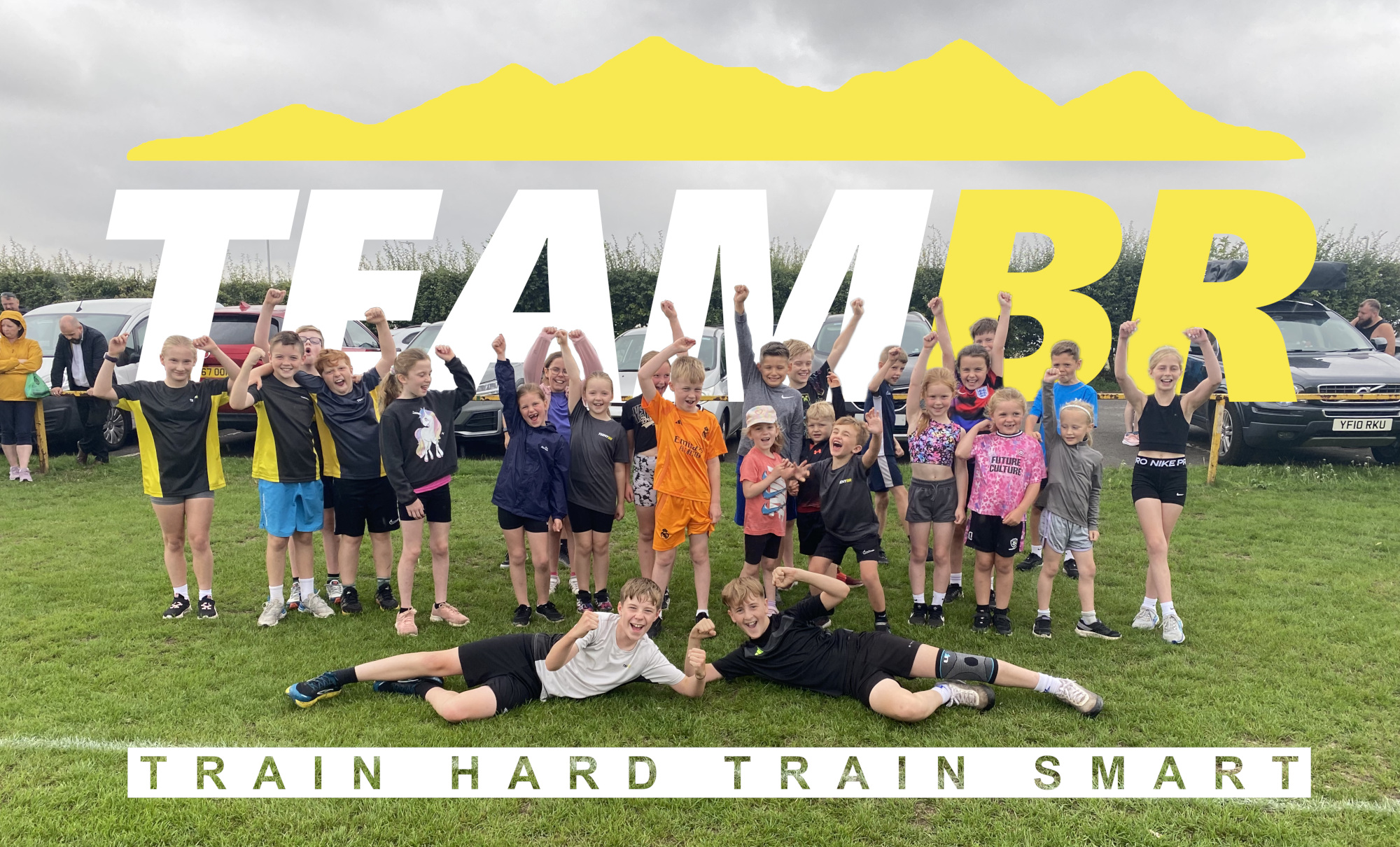
At TeamBR we love coaching our youth team, introducing sports to our younger generation teaches them valuable lessons in competition, physical health and building confidence to have a strong mental attitude. However, coaching youth must come with an element of caution.
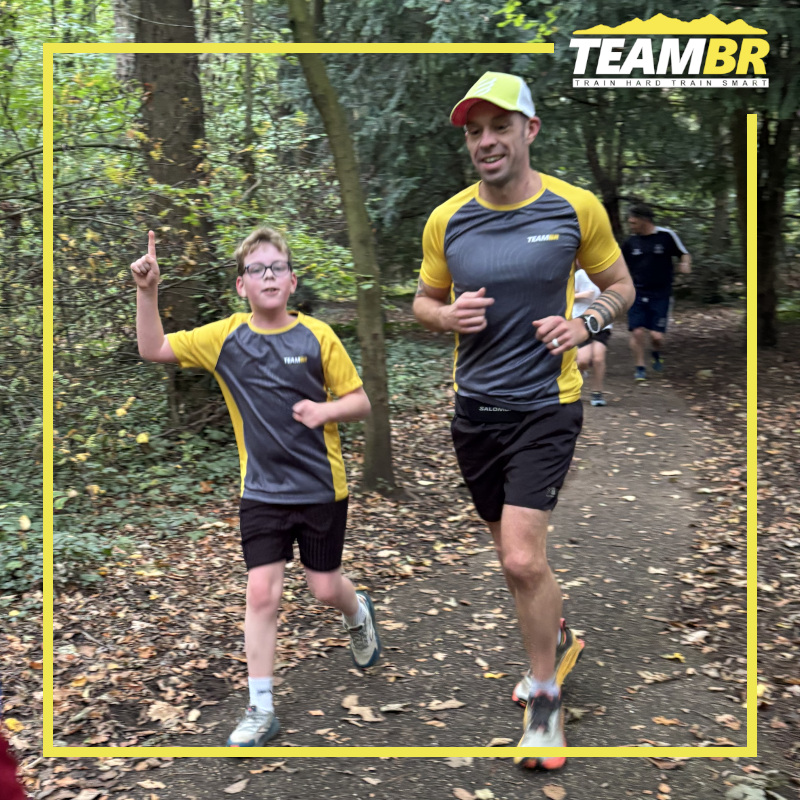

One of the biggest mistakes that can be made when coaching youth is to assume that children can train just as like adults when nothing could be further from the truth! Children are not fully developed in many ways until their mid teens. It is the reason why you will see that England Athletics events will not allow under 15’s to participate in running events with a distance of 10km and above. Don’t get me wrong, there will be some kids that are capable of running 10km at under 15 but all children develop at different rates so it’s safest for organisers to set the cap at 15.
Let’s take a look at two of the differences between adults and children and examine how the two can work together to create a perfect storm:
Bone Growth – Bones are growing until around the age of 20. Bone growth causes a lot of tension on the tendons and muscles as they stretch with the bone. There is a particular burst of bone growth in the early teens and excessive training load during this period can cause injuries to tendons and muscles. A consideration also needs to be taken on knee cartilage which doesn’t fully develop until 20.
Energy Systems – We have 3 energy systems; Aerobic, Lactic & Alactic. Everyone is born with these three energy systems but, in particular, the lactic energy system isnt fully developed in children until after puberty. This means that they tend to rely on their aerobic system and, due the absence of lactate accumulating in their muscles, have a really strong tolerance for high intensity work before fatiguing.
So, here you can see that we have undeveloped bones, potentially tight muscles & tendons and the ability to tolerate high intensity training. This can give the illusion that children can take a lot of work in training, they might feel great in themselves and want to do more and even moan when they’re stopped! But this is where the lack of knowledge can fail the children. If we max the children out on their training and constantly push them too hard we can easily injure them or start to affect their bone development and, in extreme cases, do so much damage it could affect their quality of life in adulthood. Whilst you may want them to do well, you’d be wise to think what the cost of a short term win might be.